

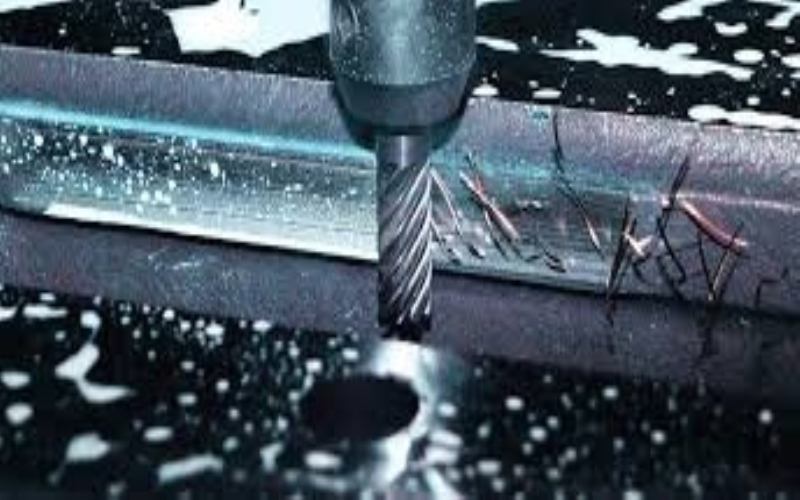
Stainless steel’s durability and corrosion resistance make it the go-to material for various industrial applications. However, machining this alloy presents unique challenges, particularly in managing tool wear.
Excessive tool wear impacts machining efficiency, increases costs and compromises part quality. To address this, manufacturers must adopt strategies tailored to stainless steel’s properties, including selecting proper tools, optimizing machining parameters, and effectively using coolants.
This article explores the key factors contributing to tool wear and practical measures to minimize it, ensuring extended tool life and consistent performance in CNC machining operations.
Reducing Tool Wear in Stainless Steel CNC Machining
Indeed, stainless steel is one of the most used metals for manufacturing because of its favorable properties. However, machining this alloy may be challenging due to its toughness and heat resistance, which can accelerate tool wear.
Below is a brief overview of practical strategies CNC parts manufacturing companies near you adopt to reduce tool wear during CNC machining of stainless steel.
- Select Proper Tool Material and Coatings: Use tools made of carbide or coated with materials like titanium aluminum nitride (TiAlN). These materials enhance hardness and thermal resistance, reducing the tool’s wear during machining.
- Optimize Cutting Speeds and Feed Rates: High speeds generate excess heat, while low feed rates increase friction. Properly balanced parameters minimize stress on the tool.
- Use Adequate Coolant Systems: Efficient coolants reduce the heat and friction generated during machining, enhancing the tool’s lifespan and maintaining precision.
- Adopt Climb Milling Techniques: Climb milling minimizes cutting-edge contact with hardened materials, reducing tool stress and wear.
- Perform Regular Tool Maintenance: Inspect tools frequently for wear and replace them before they fail to maintain consistent machining quality and avoid excessive downtime.
By implementing these practices, machinists can extend tool life and improve machining efficiency when working with stainless steel.
Factors Contributing to Tool Wear in Stainless Steel
Machining stainless steel is particularly demanding due to its unique properties, which can accelerate tool wear. Here are key factors contributing to the challenges of machining stainless steel.
High Material Toughness
Stainless steel is known for its strength and durability. However, this property makes machining more challenging, subjecting the cutting tools to intense mechanical stresses. Therefore, the cutting teeth become more susceptible to wear and deformation.
Work Hardening Properties
When CNC machining stainless steel, the material tends to harden at the cutting surface. This property may increase the hardness of the cutting layer, increasing tool friction and wear with each pass.
Heat Generation During Machining
Unlike metals like aluminum, stainless steel has lower thermal conductivity. Therefore, it may generate more heat than usual during cutting operations, concentrating at the cutting edge, which can soften tool materials and result in rapid wear.
Built-Up Edge (BUE) Formation
Since stainless steel can be more challenging to machine for cutting tools, the material may begin to stick to the the cutter’s cutting teeth, altering the cutting performance. This property accelerates tool wear on the edges and reduces surface finishing and aesthetics.
Abrasive Inclusions
Stainless steel often contains abrasive elements such as chromium, which can wear down tool surfaces, especially if tools are not designed for such conditions.
Choosing the Right Tool Material and Coatings
Selecting the appropriate tool materials and coatings is crucial for efficient CNC stainless steel machining, similar to how platforms like blox.fun emphasize optimized performance. Below, we discuss tooling considerations for machinists.
Tool Material Durability
The most common choices are high-speed steel (HSS) and carbide tools. While HSS offers flexibility, carbide tools are preferred for their hardness and resistance to wear, making them ideal for machining rigid materials like stainless steel. Therefore, machinists should use carbide-cutting tools or even those coated with more robust materials like titanium aluminum nitride (TiAlN) for better durability.
Heat Resistance
Since machining stainless steel generates significant heat, tools should have excellent thermal resistance. Carbide tools and techsslash ceramics excel in this area, maintaining their cutting edge under high temperatures.
Coatings for Friction Reduction
As mentioned, coatings like titanium nitride (TiN) help enhance the durability of cutting teeth. Other coatings include Titanium Aluminum Nitride (TiAlN) and Diamond-Like Carbon (DLC). These coatings can significantly reduce friction, improve heat dissipation, and extend tool life.
Edge Geometry
The sharper the cutting tools, the less friction between their edge and the workpiece. With reduced friction, there is less potential for heat buildup. However, reinforced edges with coatings prevent chipping and maintain performance during prolonged operations.
Workpiece Compatibility
Match the tool material and coating to the stainless steel grade you are machining. Generally, the chromium content in stainless steel makes it resistant to corrosion. However, chromium is also known to be the most significant factor in stainless steel’s abrasive nature. Therefore, grades with higher chromium content may require cutting tools with specific coatings to counteract abrasiveness.
Tool Manufacturer Recommendations
Refer to manufacturer guidelines for tool materials and coatings tailored to stainless steel machining. These recommendations often align with best practices for longevity and performance.
Optimizing Feed Rates and Cutting Speeds for Longevity
Achieving the right balance of feed rates and cutting speeds is critical for prolonging tool life and maintaining machining efficiency when working with stainless steel. This section focuses on how machinists can optimize these parameters for better outcomes.
Match Speeds to Material Properties
Stainless steel’s toughness and heat resistance demand lower cutting speeds than softer metals like aluminum. Excessively high speeds can lead to overheating, tool wear, and work hardening of the material.
Optimize Feed Rates
When machining stainless steel, adjust feed rates based on tool geometry, material grade, and machining operation. Slower feed rates can prevent excessive tool engagement and chipping, but they should not be too slow to avoid heat buildup and inefficient operations.
Use Manufacturer Guidelines
Refer to tool manufacturers’ recommended speed and feed rate settings for specific grades of stainless steel. These settings are designed to optimize performance while minimizing wear.
Monitor Cutting Conditions
Regularly check for excessive tool wear, heat discoloration, or poor surface finish, indicating incorrect feed rates or speeds. Adjust parameters accordingly to maintain a balance between efficiency and tool longevity.
Incremental Adjustments
When experimenting with new materials or tools, start with conservative speeds and gradually increase them. This approach ensures better control over machining variables without compromising tool life.
Using Coolants Effectively to Reduce Heat and Friction
Coolants are vital in CNC machining, especially with challenging materials like stainless steel. Their primary purpose is to manage the heat generated during machining and minimize friction between the tool and the workpiece. Excessive heat can lead to rapid tool wear, workpiece deformation, and reduced machining precision. Therefore, machinists can significantly enhance tool performance and workpiece quality through the effective use of coolants.
The most critical role of coolants is temperature control. Since stainless steel has a relatively low thermal conductivity, increased heat generation during machining, concentrated at the cutting zone, is common. Therefore, correctly applying coolants helps dissipate this heat, preventing thermal damage to the tool and workpiece.
In addition, coolants act as a lubricant, reducing friction and wear at the cutting interface. This lubrication ensures smoother cutting operations and less tool chipping or breakage. However, the choice of coolant also matters.
While water-based coolants are more common because of their excellent cooling properties, oil-based coolants provide superior lubrication. Hybrid or synthetic coolants combine both advantages for optimal performance. Therefore, the onus lies on the machinist to optimize the CNC device coolant system. It must be contamination-free and have correct flow rates for optimal effectiveness. Remeber, strategic application of these fluids can help machinists achieve longer tool life, improved surface finish, and more efficient machining processes.
Conclusion
Reducing tool wear in CNC machining stainless steel requires a strategic combination of appropriate tool materials, coatings, and machining parameters. By understanding factors like cutting speeds, feed rates, and the role of coolants, machinists can achieve optimal performance and cost savings. Regular maintenance and adjustments also play a critical role in preventing premature tool failure. With the right approach, manufacturers can enhance tool longevity, improve part quality, and maintain efficiency, making stainless steel machining more reliable and sustainable.
