

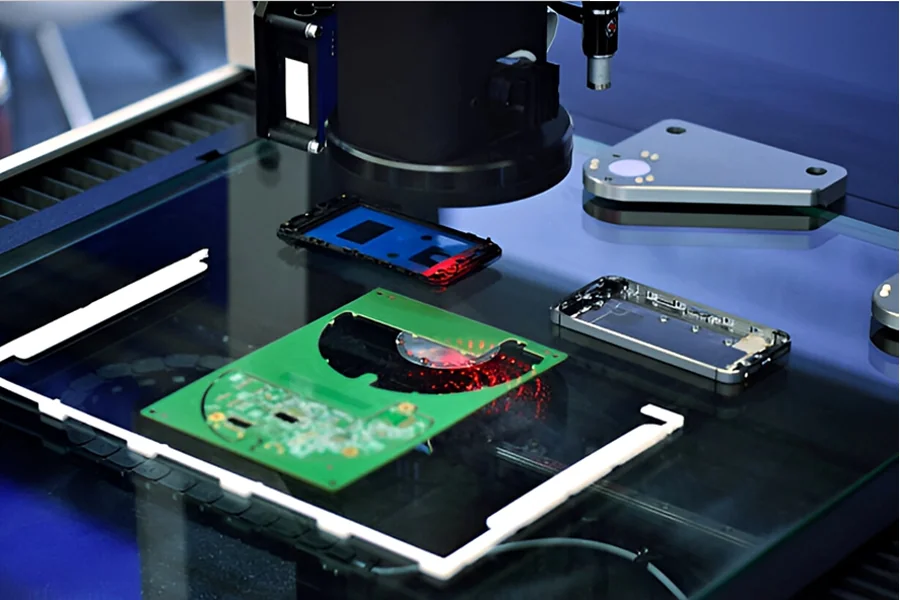
In today’s world of high-performance electronic systems, power board assembly plays a crucial role in ensuring stable and efficient power delivery. From consumer electronics to industrial machinery, the quality and precision of the power board directly impact the performance, safety, and reliability of the entire system. Power boards are responsible for managing voltage regulation, current flow, and power distribution, making their assembly process a key element in any advanced electronics production.
What Is Power Board Assembly?
Power board assembly refers to the process of manufacturing and assembling printed circuit boards (PCBs) designed specifically for power applications. These boards are engineered to handle high current, high voltage, and power conversion with minimal energy loss. Unlike standard PCBs used in signal control or data processing, power boards are built with thicker copper layers, specialized components, and robust soldering techniques to manage electrical stress and thermal dissipation effectively.
During the power board assembly process, components such as transformers, capacitors, inductors, MOSFETs, and diodes are mounted with precision using advanced assembly technologies. These elements work together to regulate and convert electrical energy in devices such as power supplies, chargers, and inverters.
Key Steps in Power Board Assembly
-
PCB Design and Material Selection
The foundation of power board assembly starts with selecting high-quality materials. Boards used for power circuits often utilize FR-4, aluminum, or metal core substrates to enhance heat resistance and electrical conductivity. The design process must consider copper thickness, trace width, and spacing to ensure safe power flow.
-
Solder Paste Application
Solder paste is applied to the board using a stencil to prepare for component placement. For power boards, special high-temperature solder pastes are used to ensure strong and durable joints capable of handling high current loads.
-
Component Placement
Automated pick-and-place machines position components such as resistors, capacitors, and power semiconductors with extreme accuracy. In high-power applications, through-hole components are often used in combination with surface-mount technology (SMT) to provide additional mechanical strength.
-
Reflow or Wave Soldering
Once components are placed, the assembly undergoes soldering. Surface-mounted devices are soldered using a reflow oven, while through-hole components may require wave soldering. Both methods ensure that all joints are properly formed for maximum conductivity and reliability.
-
Inspection and Testing
Because power boards handle critical power management functions, quality assurance is vital. Automated optical inspection (AOI), X-ray testing, and functional tests are used to detect any soldering or electrical issues before final delivery.
Applications of Power Board Assembly
Power board assembly is essential in numerous industries that rely on consistent and reliable power control. Common applications include:
- Consumer Electronics: Power adapters, chargers, and home appliances.
- Automotive Industry: Electric vehicle battery systems, control modules, and power converters.
- Industrial Equipment: Motor drives, power inverters, and factory automation systems.
- Renewable Energy Systems: Solar inverters and wind turbine converters.
- Medical Devices: Imaging systems, diagnostic equipment, and patient monitoring devices.
Each of these applications demands high durability, safety, and efficiency—attributes that can only be achieved through precise power board assembly.
Advantages of High-Quality Power Board Assembly
-
Enhanced Thermal Management
Power boards generate significant heat during operation. Advanced assembly ensures optimal heat dissipation through thermal vias, aluminum substrates, and proper component spacing.
-
High Current Capability
Thicker copper layers and robust solder joints allow power boards to handle high current loads without overheating or degrading over time.
-
Improved Reliability
Proper assembly minimizes the risk of electrical shorts, component damage, or mechanical stress. This ensures the long-term reliability of the final product.
-
Efficiency and Power Conversion
Accurate power board assembly enables efficient power conversion, reducing energy loss and improving system performance—especially critical in applications such as renewable energy and automotive electronics.
-
Compact and Optimized Design
By using automated SMT processes, manufacturers can achieve compact designs that maintain functionality while reducing the overall footprint of the power system.
Challenges in Power Board Assembly
Despite its benefits, power board assembly presents unique challenges:
- Thermal stress: Managing heat during soldering and operation requires precise thermal design.
- Component alignment: Power components must be precisely placed to prevent short circuits and ensure stability.
- Material selection: Choosing the wrong substrate or copper thickness can affect performance and safety.
- Testing complexity: Verifying high-power circuits requires specialized testing methods and equipment.
To overcome these challenges, manufacturers rely on experienced engineers, advanced assembly lines, and strict process controls.
Best Practices for Power Board Assembly
- Use automated pick-and-place equipment for accuracy.
- Maintain strict quality control during soldering and reflow processes.
- Employ thermal management strategies such as heat sinks and metal cores.
- Conduct comprehensive electrical and thermal testing before final delivery.
- Partner with reliable component suppliers to ensure consistent quality.
Following these practices ensures that every power board assembly meets performance and safety standards.
Conclusion
In the electronics industry, power board assembly represents the backbone of energy-efficient and high-performance systems. Whether it’s powering an electric vehicle, industrial motor, or renewable energy inverter, precision and reliability in assembly define the success of the end product.
For companies seeking dependable manufacturing partners, working with a trusted provider that specializes in PCB assembly service ensures consistent quality, advanced production technology, and on-time delivery. A skilled PCB assembly partner can transform your power electronics design into a robust, efficient, and long-lasting solution.
